
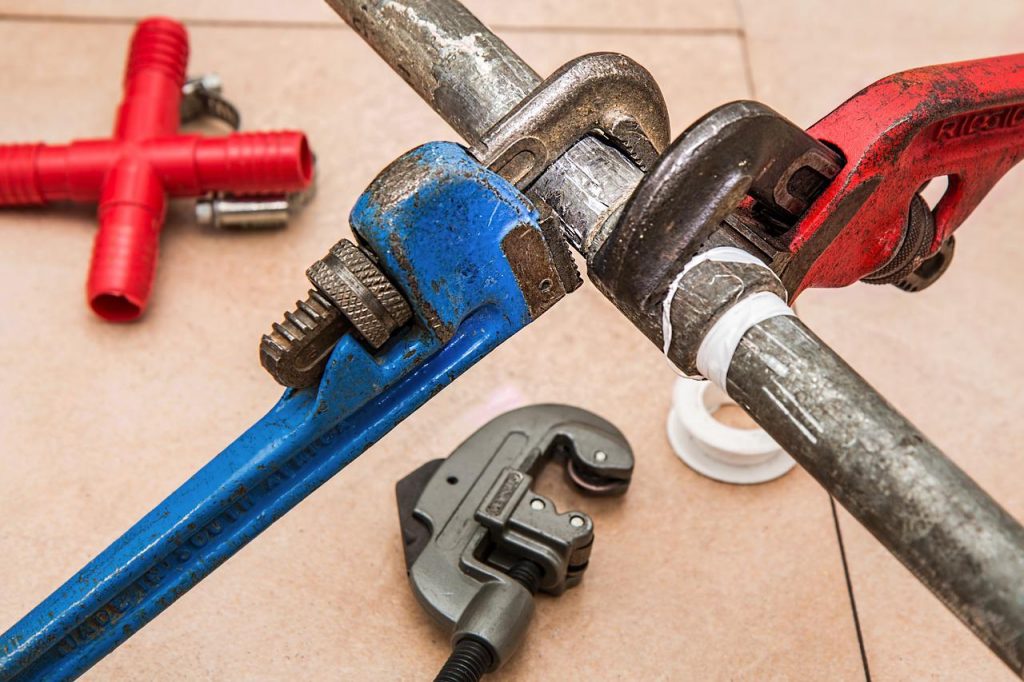
Regular car maintenance is essential to ensure the longevity and safe operation of your vehicle. While taking your car to a mechanic is often necessary for complex repairs, having a few essential tools on hand can help you handle basic maintenance tasks and minor repairs on your own. This not only saves you time and money but also ensures that your car is in optimal condition. Here’s a list of essential tools every driver should have for car maintenance.
1. Jack and Jack Stands
Whether you need to change a flat tire or inspect the underside of your vehicle, a jack is crucial for lifting your car safely.
- Jack: A hydraulic floor jack is ideal for lifting cars quickly and safely. It’s important to use a jack that can handle your vehicle’s weight, so make sure to check the weight capacity.
- Jack Stands: Once your car is lifted, jack stands provide added safety by ensuring the vehicle stays securely elevated while you work under it. Never rely solely on a jack to support a vehicle—always use jack stands as a backup.
2. Lug Wrench
A lug wrench (or tire iron) is essential for removing and replacing tires. This tool is designed to fit over the lug nuts on your car’s wheels, allowing you to loosen or tighten them easily.
- Cross Wrench: A cross wrench or four-way lug wrench offers more leverage, making it easier to remove tightly fastened lug nuts.
- Torque Wrench: For ensuring that lug nuts are tightened to the correct specifications, a torque wrench is recommended. It prevents over-tightening, which can damage the wheel or the bolts.
3. Screwdriver Set
A good set of screwdrivers is vital for many car maintenance tasks, such as fixing minor interior issues, adjusting components, or replacing small parts.
- Flathead and Phillips: Make sure to have a variety of flathead and Phillips screwdrivers in different sizes. These will be useful for a variety of screws in your car’s electrical components, trim, and more.
- Magnetic Tip: A magnetic screwdriver is especially helpful when working in tight spaces, as it can hold screws in place while you work.
4. Pliers
Pliers are a must-have tool for any car maintenance kit. They’re used for gripping, twisting, bending, and cutting wires or cables.
- Needle Nose Pliers: These are particularly useful for reaching into tight spaces, such as behind the dashboard or under the hood, where regular pliers can’t fit.
- Locking Pliers: Locking pliers (like Vise-Grips) provide a secure grip and can be adjusted for different sizes. They’re useful for holding parts in place while you work on them.
5. Socket Set
A socket set is essential for many maintenance and repair tasks, including removing bolts and nuts from various parts of the vehicle. A good socket set will include a range of sizes to fit different bolts around your car.
- Ratchet Wrench: This allows you to quickly tighten or loosen nuts and bolts without having to reposition the tool after every turn.
- Deep Sockets: A deep socket set is important for reaching bolts or nuts that are set deeper into the car’s components, such as in the engine bay.
6. Battery Terminal Cleaner
Corroded battery terminals can lead to starting issues or electrical problems in your car. A battery terminal cleaner is specifically designed to clean corrosion off the battery posts and clamps.
- Wire Brush: Some cleaners come with a wire brush that can be used to scrub corrosion away. This is an essential tool to have if you’re dealing with a battery that’s been sitting unused for a while.
7. Funnel
A funnel is necessary when adding fluids to your car to avoid spills and ensure you’re putting the right amount in.
- Oil Change: When performing an oil change, a funnel helps to prevent oil from spilling over the side of the engine or onto the garage floor.
- Coolant and Other Fluids: Using a funnel to add antifreeze, brake fluid, or windshield wiper fluid ensures that everything is properly directed into the reservoir.
8. Flashlight or Work Light
Proper lighting is essential when working on your car, especially when you’re under the vehicle or in dark engine compartments.
- LED Work Light: A cordless LED work light or headlamp will provide bright, focused light exactly where you need it.
- Magnetic Flashlight: A magnetic flashlight can be attached to various parts of the car for hands-free operation, making it easier to work on your vehicle.
9. OBD-II Scanner
An OBD-II (On-Board Diagnostics) scanner is a highly useful tool that helps you diagnose issues with your car’s engine and electrical systems. It connects to your car’s diagnostic port and reads error codes that indicate specific problems.
- Code Reader: These scanners can also clear error codes and reset your check engine light after you’ve addressed the issue.
- Advanced Models: Some OBD-II scanners also provide more detailed information, like engine performance data, so you can take preventative actions before issues become serious.
10. Tire Pressure Gauge
Maintaining the correct tire pressure is crucial for safety and fuel efficiency. A tire pressure gauge helps you quickly check your tire pressure and ensure your tires are inflated to the correct levels.
- Digital or Analog: Both digital and analog gauges are available. Digital models are easy to read, while analog versions are often more affordable.
- Portable Air Compressor: If you find your tires are underinflated, having a portable air compressor allows you to inflate them quickly without having to go to a gas station.
11. Oil Filter Wrench
When performing an oil change, an oil filter wrench is used to remove the old oil filter, which can be difficult to loosen by hand.
- Strap Wrench: A strap wrench is a great option for gripping and twisting oil filters that are difficult to reach or overly tight.
- Pliers-Style Wrench: Alternatively, pliers-style oil filter wrenches allow for a strong grip and are ideal for getting into tight spaces.
12. Towing Strap or Chain
In case of an emergency or breakdown, having a towing strap or chain in your vehicle can be a lifesaver.
- Heavy-Duty Strap: Choose a heavy-duty towing strap designed for your car’s weight, as this will ensure safe towing in case of an emergency.
13. Car Cleaning Kit
Maintaining your car’s appearance is just as important as maintaining its functionality. A car cleaning kit includes items like microfiber towels, brushes, and specialized cleaners for different surfaces.
- Interior and Exterior Cleaners: Use appropriate cleaning solutions for the seats, upholstery, dashboard, and exterior surfaces to keep your car looking fresh and well-maintained.
14. WD-40 or Lubricant
A good lubricant like WD-40 is essential for preventing rust and loosening stubborn parts.
- Rust Prevention: Use WD-40 to protect moving parts, hinges, or bolts from rust and corrosion. It’s also great for loosening parts that have become stuck due to rust or debris.
Conclusion
Having these essential tools on hand can help you take control of your car’s maintenance and ensure it runs smoothly for years to come. While some tasks may still require a professional mechanic, regular use of these tools can help you handle many common car maintenance tasks, from changing a tire to diagnosing an engine problem. With the right tools and a bit of know-how, you’ll be able to save time and money while keeping your car in top shape.