
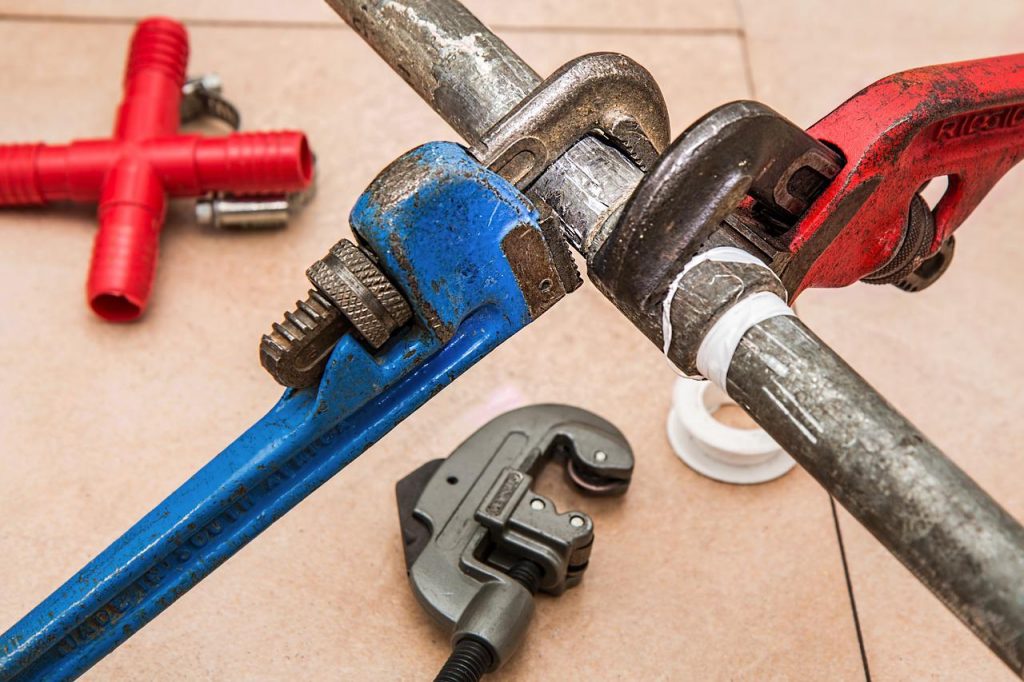
In an age dominated by power tools and automation, the value of traditional hand tools in fine craftsmanship remains as strong as ever. Whether you’re a woodworker, leather artisan, instrument maker, or dedicated hobbyist, the tools you hold in your hands influence not just the speed of your work, but the quality, accuracy, and expression in every detail.
Precision craftsmanship demands control, sensitivity, and attention that only hand tools can offer. This article explores the most essential hand tools for fine work, the role each plays, and what to look for when choosing tools built for accuracy and finesse.
Why Hand Tools Still Matter in a Digital World
While modern technology has introduced faster and more efficient ways to produce items, true craftsmanship thrives where the human hand guides the process. Hand tools offer a tactile connection with the material—allowing for immediate feedback, subtle adjustments, and personalized touches that machines can’t replicate.
In fine woodworking, for example, hand tools let artisans pare away fractions of a millimeter or create delicate joinery with unparalleled precision. In fields like watchmaking, jewelry design, and luthiery (instrument building), that level of control is not just useful—it’s essential.
Essential Hand Tools for Precision Work
1. Chisels
No toolbox for fine craftsmanship is complete without a set of sharp, well-balanced chisels. Used for carving, cutting joints, and shaping fine details, chisels come in various sizes and types, including bevel-edge, mortise, and paring chisels.
High-quality chisels hold their edge longer and respond better to delicate hand pressure. Brands like Lie-Nielsen, Narex, and Veritas are favored for their steel quality and ergonomic design.
2. Hand Planes
A sharp hand plane can transform rough wood into a smooth, glassy surface. Planes are also crucial for trimming doors, flattening boards, and refining joints. The most commonly used include the block plane for end grain and the bench plane (like a No. 4 or No. 5) for general smoothing.
A well-tuned hand plane leaves a surface so smooth it needs little or no sanding—one of the clearest signs of true craftsmanship.
3. Marking and Measuring Tools
In precision work, measuring is as important as cutting. Reliable marking tools such as marking knives, combination squares, bevel gauges, and calipers allow for layout lines and angles with fine accuracy.
Top brands like Starrett and Bridge City Tool Works are known for exact tolerances and high-quality materials, which make a difference when transferring measurements or checking squareness.
4. Hand Saws
For detail cutting, joinery, and shaping, hand saws offer the control needed to follow a line closely and make clean, splinter-free cuts. Different saws serve different purposes—dovetail saws, tenon saws, and Japanese pull saws are favorites for their fine teeth and smooth action.
Japanese saws like the Dozuki are particularly admired for their thin blades and minimal kerf, making them ideal for intricate work.
5. Rasps and Files
When shaping curves or refining the edges of a piece, rasps and files offer precision where planes and chisels fall short. For smooth, controlled removal of material, cabinetmaker’s rasps, needle files, and rifflers are indispensable.
Look for hand-stitched rasps from makers like Auriou or Liogier—these produce a much cleaner surface and respond better to delicate touch than machine-stitched versions.
6. Mallets
Used with chisels and carving tools, wooden or rawhide mallets allow you to drive tools with controlled force. Unlike metal hammers, which can damage tool handles, mallets deliver impact without sacrificing tool longevity or control.
Choosing the right mallet for your type of work (e.g., joinery, carving, or mortising) ensures better results and more comfort over time.
7. Sharpening Tools
No matter how high-end your tools are, their effectiveness comes down to one thing: sharpness. Keeping chisels, planes, and knives razor-sharp is essential for clean cuts and safe operation.
A sharpening system should include whetstones, a strop, and possibly a honing guide to maintain precise angles. Skilled artisans often spend as much time maintaining their tools as using them—because in fine work, dullness equals inaccuracy.
Choosing Quality Over Quantity
In precision work, a smaller set of well-crafted, meticulously maintained hand tools will outperform a large collection of low-quality or dull instruments. Investing in tools made from premium steel, hardwood handles, and precision-machined components will pay off in both performance and durability.
Before buying, consider:
- How the tool feels in your hand
- The quality of materials (especially blade steel)
- The tool’s balance and weight
- Brand reputation among skilled craftspeople
It’s also worth visiting local woodworking schools, trade shows, or maker spaces where you can try tools in person and get recommendations based on experience.
The Artisan’s Touch
Ultimately, fine craftsmanship is a partnership between the artisan and the tool. Hand tools offer a level of sensitivity, control, and intimacy with the work that machines simply can’t match. They allow for the expression of individuality in each piece—whether through hand-cut joinery, finely carved detail, or the subtle taper of a perfectly planed edge.
For the DIYer moving beyond quick fixes and toward true craftsmanship, mastering hand tools is a rewarding step. They remind us that precision is not just about measurements—it’s about intention, care, and the pursuit of excellence in every cut.